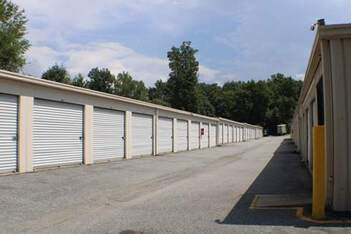
 Midland local storage for car storage
Local storage in Midland NC can be a practical option when a rarely driven car takes up valuable space at home. A homeowner may have a second car sitting in the driveway for weeks at a time, even though it is rarely driven. Perhaps it is used for summer trips, weekend activities, or occasional errands, while another vehicle handles most daily driving. Over time, that unused vehicle can take up space that the household could use for something else. Keeping a vehicle at home is convenient when it is driven often and needs to be readily available. However, convenience can change when a vehicle spends most of its time parked. Seasonal use, multiple vehicles, a growing household, or changing storage needs can make keeping every vehicle at home less practical. For some homeowners, local storage can provide another option. Instead of allowing a rarely used vehicle to occupy a driveway or garage, storing it away from the home may free up valuable space while keeping the vehicle available when it is needed. When a Vehicle Is Not Driven Regularly Not every vehicle in a household needs to be available every day. Some people keep a second car for occasional trips, while others have a vehicle that is driven mainly on weekends. If the vehicle sits unused for long stretches, its place at home may deserve another look. A rarely driven vehicle can occupy the same amount of physical space as a daily driver. Whether it sits in a garage or on a driveway, the vehicle still takes up room that could be used for parking, storage, hobbies, or household projects. When the vehicle is only needed occasionally, keeping it at home may not always be the most convenient arrangement. The key question is how often the vehicle is actually used. A car that leaves the driveway several times a week has different storage needs from one that may not move for an entire month. Looking honestly at the vehicle's actual use can help determine whether keeping it at home still makes sense. Seasonal Vehicles May Not Need Year-Round Space Some vehicles are used during specific seasons rather than throughout the year. A convertible, recreational vehicle, classic car, or another occasional-use vehicle may spend much of the year parked. The same can happen with a vehicle used mainly for summer road trips or other seasonal activities. Seasonal use creates an obvious storage question. If a vehicle is needed for only part of the year, does it need to occupy a prime spot at home during the months when it is rarely used? For homeowners with limited parking, the answer may be worth considering. Moving a seasonal vehicle into storage during its off-season can make the available space at home more useful. Before making that decision, though, the owner should consider how often the vehicle might need to be accessed unexpectedly. Think About the Length of the Off-Season A short period of reduced use may not justify moving a vehicle elsewhere. If the vehicle will be unused for only a few weeks, leaving it at home may be simpler. A longer period can make storage more appealing. When a vehicle is expected to remain parked for several months, the space it occupies at home becomes a more significant consideration. Household Changes Can Create Extra Vehicles Households can change quickly. A family member may move away, a teenager may leave for college, or someone may receive a company vehicle and stop using a personal car as often. These changes can leave a household with more vehicles than it regularly needs. The vehicle may still have value or a future purpose, so selling it immediately may not be the preferred choice. At the same time, allowing it to sit in the driveway indefinitely can create practical problems. An extra vehicle can also become part of a larger household organization issue. When parking space is limited, every vehicle affects how the remaining space is used. A vehicle that is rarely driven may make more sense somewhere else if the household needs the driveway or garage for more frequent activities. Why Driveway and Garage Space Can Become Limited A driveway may look spacious when a household has only one vehicle. As more cars, trucks, bicycles, tools, outdoor equipment, and other belongings accumulate, that space can disappear surprisingly quickly. Garages can face the same problem. A garage intended for parking can gradually become a place for boxes, lawn equipment, tools, seasonal decorations, and household supplies. If a rarely driven vehicle is also parked inside, there may be little room left for anything else. Limited space can affect every day routines. Homeowners may have to move one vehicle to reach another, park outside more often, or leave belongings in inconvenient places. In these situations, the issue is not necessarily that the household has too many belongings. It may simply have more vehicles at home than it needs on a regular basis. Factors to Consider Before Storing a Vehicle Moving a vehicle into storage is a practical decision, but it should not be based on space alone. The owner should consider how frequently the vehicle is driven, how quickly it may need to be accessed, and how long it is expected to remain unused. The condition and age of the vehicle may also matter. Owners should review the manufacturer's recommendations for periods of inactivity and consider any maintenance requirements that apply to their specific vehicle. Insurance and registration requirements are another consideration. These rules can vary depending on the vehicle, location, and circumstances, so owners should check with their insurer and relevant authorities before making changes. Consider Your Access Needs Before choosing a storage option, ask how often you realistically expect to retrieve the vehicle. If you might need it every few days, storing it somewhere that makes frequent access difficult may become frustrating. If the vehicle is only needed a few times each season, the access requirements may be different. Thinking about actual usage rather than possible usage can make the decision clearer. Consider How Long It Will Be Stored A vehicle that will be stored for one month may require a different approach from one that will remain parked for six months. The longer the storage period, the more important it becomes to think about preparation, maintenance, and access. It is also worth considering whether the storage period has a definite end date. If the vehicle will likely return home at a known time, planning ahead can make the transition easier. Preparing a Vehicle for Extended Storage A vehicle should not simply be parked and forgotten for an extended period. Before storing it, the owner should review the vehicle manufacturer's recommendations and take appropriate steps based on the expected storage period. Cleaning the vehicle before storage can help prevent dirt, food residue, or other materials from remaining inside for a long time. The interior should be checked for belongings, while the exterior should be cleaned according to the vehicle manufacturer's recommendations. Owners should also review the condition of the tires, fluids, battery, and other maintenance items. The correct preparation can vary depending on the vehicle and storage period, so following the manufacturer's guidance or consulting a qualified automotive professional may be appropriate. Make a Simple Storage Checklist A written checklist can make vehicle preparation easier. Record the date the vehicle was stored, its mileage, where the keys are kept, and any maintenance that may be due. It can also help to keep important documents and information organized. Knowing where the registration, insurance information, maintenance records, and spare keys are located can save time when the vehicle is needed again. Keep Vehicle-Related Belongings Organized Storing the vehicle is only part of the organization process. Owners may also have extra tires, tools, seasonal equipment, cleaning supplies, spare parts, or other vehicle-related belongings that are not used regularly. These items can easily spread throughout a garage or storage area. Grouping them together can make it easier to find what is needed without searching through unrelated household belongings. A labeled container or designated area can help keep smaller items together. For valuable or important belongings, owners should also consider whether they need additional protection or insurance coverage. How Local Storage Can Offer an Alternative When a vehicle is rarely used but still needs to be kept, local storage can offer an alternative to keeping it at home. The main benefit from a space-planning perspective is simple: the vehicle no longer has to occupy a driveway or garage while it is not being used. For homeowners in Midland NC, proximity may also be an important consideration. A storage location that is reasonably convenient to reach can make occasional vehicle access easier to plan without requiring the vehicle to remain parked at home year-round. Storage decisions should still be based on the individual situation. Owners should review the terms of the storage arrangement, access policies, costs, and any vehicle-related requirements before choosing an option. Questions to Ask Before Choosing a Storage Option Before moving a vehicle into storage, take a few minutes to compare the practical details. The right questions can prevent an arrangement from becoming inconvenient later. Ask how often you can access the vehicle and whether those access times fit your schedule. Find out what size space is appropriate for the vehicle and what the rental terms require. You should also ask about payment terms, cancellation requirements, access procedures, and any rules concerning stored vehicles. If you are storing personal belongings with the vehicle, check whether those items are permitted under the storage agreement. It is also useful to think about location. A facility farther from home may have a lower price, but the additional driving could matter if you expect frequent access. A local option may be more practical when convenience is an important part of the decision. When Mr. Storage May Fit Your Storage Plans At Mr. Storage, we understand that not every vehicle needs to remain parked at home all year. For homeowners looking for local storage in Midland NC, we provide storage options that can help create more usable space at home while giving you another place to keep belongings. We focus on practical storage needs rather than assuming every customer has the same situation. If a vehicle is used seasonally, has become an extra household vehicle, or simply takes up space that you would rather use differently, storage may be worth considering. Our goal is to give homeowners another option when their available space no longer matches their storage needs. Before choosing a unit, we encourage you to consider the vehicle's size, how often you need access, how long you expect to store it, and the terms that apply to your rental. Making the Decision Storing a car does not automatically make sense just because it is rarely driven. The decision depends on the vehicle's purpose, how often it is needed, how much space is available at home, and how convenient it would be to access it elsewhere. For some homeowners, keeping an occasional-use vehicle in the driveway is the simplest option. For others, moving that vehicle into local storage can make the home easier to organize and free up space for everyday needs. If you are considering storage in Midland NC, start by looking at your actual driving habits and household space. Once you know how often you need the vehicle and what you want to do with the space it currently occupies, it becomes easier to decide whether keeping it at home or storing it elsewhere fits your situation. Frequently Asked Questions Is it worth storing a car that is rarely driven? It can be worth considering when the vehicle occupies valuable space but is only used occasionally. Compare the storage cost with the value of the space at home and how often you need access. Should seasonal vehicles be stored? Seasonal vehicles may be good candidates for storage during their off-season. The decision depends on how long they will be unused and how frequently you may need to retrieve them. How should I prepare a car for extended storage? Review the manufacturer's recommendations for periods of inactivity and address appropriate maintenance items before storage. Cleaning the vehicle, checking its condition, and organizing the keys and records can also make the storage period easier to manage. How often should I access a stored vehicle? There is no single schedule that works for every vehicle. Consider the manufacturer's guidance, your storage agreement, and how long the vehicle will remain unused. What should I ask before choosing local storage? Ask about access, rental terms, costs, space requirements, and rules concerning vehicles and personal belongings. Also consider whether the location is convenient enough for the frequency with which you expect to use the vehicle. Rent Local storage in Midland NC Mr. Storage is locally owned and managed with affordable pricing. We have storage facilities in Concord, Salisbury, Harrisburg, Midland, Lexington, and Kannapolis NC. Contact us today to reserve your unit.
0 Comments
 Midland storage for home projects that take longer
Storage in Midland NC can give homeowners extra room when a home project takes longer than expected. A homeowner may begin a flooring project expecting it to take a few days. Furniture is moved aside, boxes are packed, and the plan seems simple enough. Then an unexpected repair, delayed materials, extra preparation, or another problem adds another week to the schedule. What started as a short project can quickly turn into several weeks of living around tools, supplies, moved furniture, and belongings that no longer have a clear place. Home improvement projects can change how a house functions while the work is underway. Rooms may be partially closed off, furniture may need to be moved repeatedly, and everyday items can end up stacked in hallways or other open spaces. When the timeline becomes uncertain, having access to storage can give homeowners another place to keep belongings while they wait for the work to finish. Why Home Projects Often Create Temporary Storage Problems Even a relatively small home project can require more space than expected. Painting a room may mean moving furniture, wall decorations, lamps, rugs, and other items somewhere else. A flooring project can require even more room because furniture and household belongings may need to be cleared from the entire work area. The problem becomes more noticeable when a project takes longer than planned. A homeowner may have expected to put everything back after a few days, only to discover that the room will remain unavailable for another two or three weeks. The belongings that were moved temporarily now need a temporary home for much longer than expected. Projects can also create new items that need somewhere to go. Boxes of flooring, paint supplies, tools, fixtures, and replacement materials can take up valuable space inside a home. When these items are combined with furniture and household belongings that have already been moved, an otherwise organized house can become crowded quickly. Delays Can Change the Original Plan A project schedule is often based on expected delivery dates, contractor availability, preparation time, and the assumption that no major problems will appear. Unfortunately, home repairs and renovations do not always follow the original schedule. A damaged surface discovered after removing flooring or an unexpected repair behind a wall can extend the project. When delays happen, the storage plan may need to change as well. Belongings that were originally placed in another room may need to be moved again because that room becomes part of the project. Instead of repeatedly shifting furniture and boxes around the house, homeowners may find it easier to move some belongings into storage until the work is finished. How Delays Affect Household Organization A home can feel surprisingly different when one or more rooms are unavailable. Furniture may be pushed against walls, boxes may be stacked in bedrooms, and items from cabinets may end up on counters or tables. Even if each decision makes sense individually, the combined effect can make daily routines harder. Longer projects can also make it difficult to remember where things were placed. Something that was easy to find before the project may now be inside a box, behind a piece of furniture, or mixed with other belongings. This can become frustrating when the project continues for several weeks. Keeping some order during a delayed project starts with deciding which belongings need to remain accessible and which ones can be moved out of the home temporarily. Items that are not needed every day do not necessarily have to occupy valuable living space while work continues. Moving Furniture and Belongings Out of Work Areas The first priority is usually creating enough room for the work to take place. Furniture, decorations, rugs, small appliances, and other belongings may need to be removed from the room. Simply pushing everything into one corner may work for a small project, but it may not be practical when workers need access to several areas. Moving belongings away from the work area can also make it easier to move through the room. Clearer pathways reduce the number of items that need to be moved each time someone needs access to the project area. This can make a long project less disruptive to the rest of the household. For larger projects, homeowners may need to decide whether belongings should stay inside the house or be moved elsewhere. Storage can provide an option for items that need to be kept but are not needed during the project. Protecting Belongings from Becoming Obstacles Belongings left too close to a work area can become obstacles. A chair sitting beside a painting project, for example, may have to be moved several times as work progresses. Boxes placed near a renovation area can also restrict access or become part of the clutter that everyone has to work around. Keeping unnecessary belongings away from active work areas can make the household easier to manage. It also means there are fewer items occupying temporary spaces inside the home. This becomes especially useful when a project lasts much longer than originally expected. Homeowners should also consider the condition of individual belongings when deciding where to keep them. Items that could be affected by dust, paint splatter, construction debris, or repeated handling may be better placed away from the project area rather than left in another part of the house. Keeping Everyday Necessities Separate Not everything needs to leave the house. The key is separating belongings based on how frequently they are used. Everyday necessities should remain easy to reach, while seasonal decorations, extra furniture, rarely used kitchen items, and other nonessential belongings can be placed elsewhere. This approach can prevent a homeowner from creating a storage problem inside another room. Instead of moving everything into the spare bedroom, for example, it may make more sense to keep daily essentials at home and move less frequently used items into storage. Create an Accessible Essentials Area A simple essentials area can make a long project easier to manage. This could include clothing, toiletries, important documents, frequently used kitchen items, medications, chargers, and other belongings that are used regularly. Keeping these items together and accessible reduces the chance of having to search through stored boxes every day. The goal is not to pack away as much as possible. The goal is to create a practical separation between what the household needs now and what can remain out of the way until the project is complete. How Additional Storage Creates Room While Work Continues Additional storage can give homeowners more flexibility when their normal living space is temporarily unavailable. Instead of filling another bedroom, garage corner, hallway, or basement area with project-related belongings, items that are not currently needed can be moved elsewhere. This can be particularly useful when a project timeline is uncertain. If a renovation was supposed to take one week but now looks likely to take a month, homeowners do not have to keep reorganizing the same belongings around the house. They can keep them in storage until there is a clear point when they can return them. Storage can also help separate household belongings from project materials. Tools, boxes, furniture, and personal items do not all have to compete for the same limited space inside the home. Organizing Belongings When the Timeline Is Uncertain When there is no firm completion date, organization becomes more important. A homeowner may not know whether certain belongings will be needed next week or next month. Rather than packing everything together, it helps to group belongings based on when they are likely to be needed. Frequently needed items should remain accessible. Items that are unlikely to be needed during the project can be placed farther back or grouped together. Seasonal belongings and items associated with rooms that will remain under construction can also be kept together. Clear labels can make this process much easier. A box marked "winter clothes" is easier to locate than an unmarked box filled with miscellaneous belongings. Labels do not have to be complicated; they simply need to provide enough information to identify what is inside. Keep an Inventory A basic inventory can help prevent confusion during a long project. Homeowners can make a simple list of the boxes, furniture, and larger belongings placed in storage. Taking a few photos of the stored items can also provide a quick visual reference. The inventory can include a box number, general contents, and the room where the items normally belong. For example, a homeowner might label a container "Kitchen 3" and note that it contains serving dishes and less frequently used cookware. This small step can save time later. When the project is finally finished, the homeowner can refer to the inventory rather than opening every box to figure out where everything belongs. What to Do When the Project Is Finally Completed Finishing the work does not always mean the house is immediately ready to return to normal. Floors may need cleaning, furniture may need to be positioned carefully, and some areas may still need final touches. A homeowner who has been waiting several weeks may also need time to decide how the newly completed space should be arranged. Before bringing everything back from storage, it can help to review what is actually needed. A renovation sometimes reveals that certain furniture no longer fits the space or that some belongings have not been used in a long time. There is no need to automatically return every item simply because it was stored during the project. Transition Stored Belongings Back into the Home A gradual transition can make the final stage easier. Start with essential furniture and belongings that have a clear place in the finished room. Then bring back less frequently used items as the household settles into the updated space. This approach avoids creating another pile of boxes immediately after the renovation ends. It also gives homeowners an opportunity to evaluate whether each item still belongs in the home. For belongings that are no longer needed, homeowners can decide whether to donate, sell, recycle, or dispose of them appropriately. Storage should support the project rather than become a reason to keep items that no longer serve a purpose. Using Storage During a Longer Home Project in Midland NC For homeowners dealing with an extended renovation, repair, painting job, flooring project, or other home improvement work, storage can provide useful breathing room. The main benefit is having another place for belongings that need to be kept but do not need to remain in the house while the work continues. When looking for storage in Midland NC, consider the amount and type of space needed, how frequently you may need access to your belongings, and how long the project is expected to continue. Think about whether you are storing furniture, boxes, seasonal items, household equipment, or a mixture of belongings. These practical details can help you choose an option that fits the project rather than simply choosing based on the amount of available space. At Mr. Storage, we understand that a home project does not always follow the original timeline. We provide storage options for homeowners who need somewhere to keep belongings while they work through a renovation, repair, or other temporary change in their living space. Our goal is to give you another practical option when your home needs extra room during an extended project. Whether you know the project will last several weeks or simply need flexibility while the timeline develops, storage can help keep your household belongings from taking over the rest of the home. We encourage homeowners to think about what they need to access regularly, what can be packed away, and how they plan to bring everything back when the project is finished. FAQ About Storage During Home Projects Should I move furniture into storage during a renovation? It can make sense when furniture is taking up space needed for the project or when there is no convenient place to keep it inside the home. Consider how long the work will last and whether the furniture can remain safely and practically inside the house. How should I organize belongings before putting them in storage? Group similar belongings together and label boxes clearly. Keep an inventory of larger items and important boxes so you can find what you need without opening everything. What should stay at home during a long project? Keep everyday necessities, important documents, frequently used clothing, and other items you regularly need accessible. Less frequently used belongings can be moved into storage if they are taking up space needed for the project. What should I do with stored belongings after the project? Bring belongings back gradually rather than unloading everything at once. Use the opportunity to decide whether each item still belongs in the home and whether the new space works better with a different arrangement. Can storage help if I do not know when my project will end? Yes. An uncertain timeline is one reason storage can be useful during a home project. Instead of repeatedly moving belongings around the house, you can keep nonessential items out of the way until you have a better idea of when the work will be finished. Rent Storage in Midland NC Mr. Storage is locally owned and managed with affordable pricing. We have storage facilities in Concord, Salisbury, Harrisburg, Midland, Lexington, and Kannapolis NC. Contact us today to reserve your unit.  Midland storage facilities for organizing leftover belongings
Storage facilities in Midland NC can give homeowners extra space for belongings left over after a move. After weeks of packing, loading, driving, and unpacking, a homeowner finally settles into a new house. Most boxes are emptied, furniture is arranged, and the kitchen is ready for daily use. Yet several boxes remain stacked against the wall, along with extra chairs, decorations, seasonal belongings, and household items that have no obvious place. This situation is common after a move. Not every belonging will immediately fit into a new home or match the way the space is being used. Instead of rushing to throw away or donate everything left over, homeowners can take time to decide what should stay, what should go, and what needs temporary storage. Why Belongings Are Often Left Over After Moving Moving forces homeowners to make many decisions in a short amount of time. During packing, it is easy to focus on getting everything into boxes rather than deciding where each item will eventually go. Once the move is complete, belongings that seemed useful before may suddenly feel unnecessary. Another reason is that homes have different layouts and storage options. A dining room in one house may become an office in another. A large garage may be replaced by a smaller one, while a spacious basement may no longer be available. Some belongings also have sentimental or practical value. Homeowners may not use them every day, but they may still need them later. Keeping these items temporarily can be more sensible than making an immediate decision that may lead to regret. A Different-Sized Home Can Change Storage Needs The size of a new home can have a major effect on how much storage space is available. Someone moving from a larger house to a smaller property may discover that furniture and boxes no longer fit comfortably. Even homeowners moving into a larger house may find that the new layout creates different storage challenges. Smaller Homes Often Require Better Planning A smaller home does not necessarily mean homeowners must get rid of everything they own. It may simply mean that belongings need to be stored differently. Items used only occasionally can take up valuable room when kept in closets, spare bedrooms, or hallways. Storage can also help homeowners avoid overcrowding the new house. Rather than forcing every belonging into an available corner, they can keep selected items elsewhere until they have more time to decide what belongs in the home. Larger Homes Can Have Different Storage Needs Moving into a larger home does not automatically solve every storage problem. Different room layouts can make existing furniture difficult to place, while additional rooms may have specific purposes that leave little room for extra belongings. Taking time to understand the new home's layout can help homeowners make better decisions. Items can then be assigned to the rooms where they are most useful instead of being placed wherever there happens to be empty space. Deal With Duplicate Household Items Duplicates are among the most common belongings left after a move. A homeowner may have two coffee makers, several sets of dishes, multiple lamps, or extra kitchen appliances. These duplicates often accumulated over years through purchases, gifts, or previous moves. Before getting rid of anything, compare the condition and usefulness of each duplicate. Keep the item that works best or has the most practical value. Items that are rarely used but still useful can be placed into organized storage instead of immediately being donated. Duplicates can also become useful later. A spare appliance may replace one that breaks, while extra dishes can help when guests visit. The key is deciding whether keeping the duplicate has a reasonable purpose. Decide What to Do with Furniture That Does Not Fit Furniture can become one of the biggest challenges after moving. A sofa that worked perfectly in a previous living room may be too large for the new space. A dining table may not fit comfortably, while bookcases or cabinets may have nowhere suitable to go. Measure Before Making a Final Decision Before selling or donating furniture, measure the available space in the new home. Consider doorways, walking paths, room layouts, and how the furniture affects everyday movement. An item that looks too large at first may work in another room. If there is no suitable location, storage may provide time to make a better decision. This can be particularly useful when homeowners expect their housing situation to change again. Keep Furniture with Future Value Some furniture is worth keeping even when it cannot fit into the current home. A solid dining table may be useful after a future move, while a spare bed could become valuable when children grow older or family members visit. However, homeowners should consider the cost and space involved in keeping large items. Storing furniture makes more sense when the item has a clear future purpose or meaningful value. Store Seasonal Belongings Until They Are Needed Seasonal items are another category that can remain after a move. Holiday decorations, winter clothing, patio furniture, camping equipment, and seasonal sports gear may not be needed for months. Keeping these items in the home year-round can take up valuable closets and cabinets. Moving them into storage can free up everyday living space without requiring homeowners to part with belongings they know they will use again. Organize seasonal belongings by category before storing them. Clearly labeled containers make it easier to retrieve decorations or clothing when the appropriate season arrives. Keep Items You Are Not Ready to Donate or Sell Not every leftover item needs an immediate yes-or-no decision. Moving can be exhausting, and homeowners may not have enough time or energy to determine the long-term value of every belonging. A temporary storage solution gives homeowners room to think. Instead of making an emotional decision during a stressful period, they can set aside uncertain belongings and revisit them later. This approach can be especially helpful with sentimental items. Family furniture, photographs, childhood belongings, and inherited possessions may deserve more consideration than a rushed decision allows. How to Sort Leftover Belongings After a Move Sorting leftover belongings works best when everything is divided into clear categories. Start by gathering boxes and loose items into one area where possible. This makes it easier to see how much remains and prevents forgotten belongings from staying hidden in corners. Create Four Basic Categories Use categories such as keep, store, donate, and sell. Items that have a clear place and regular purpose can go into the keep category. Belongings that are useful but not needed at home can go into storage. Donate items that are still useful but no longer needed. Sell belongings that have enough value to justify the time and effort involved in listing them. Ask Practical Questions For every uncertain item, ask when it was last used and whether it is likely to be used again. Consider whether replacing it later would cost more than storing it now. Also think about whether the item has sentimental value that cannot easily be replaced. These questions can make sorting less emotional and more practical. They also help prevent homeowners from keeping everything simply because they are unsure what to do. When Keeping Leftover Items Makes Sense Keeping an item makes sense when it has a realistic future purpose. Seasonal belongings are an obvious example because they are used regularly even though they may sit unused for part of the year. Items with sentimental value can also be worth keeping. The same applies to quality furniture, useful tools, important documents, and belongings that would be expensive or difficult to replace. The important point is to avoid keeping items without a reason. Storage space has a cost, whether belongings are kept in a closet, garage, attic, or external unit. Every stored item should have a purpose that justifies the space it occupies. How Storage Facilities Can Help After a Move Storage facilities can give homeowners extra space when belongings do not yet have a place in the new house. This can be useful during the transition period when homeowners are still arranging rooms and deciding what to keep. For homeowners looking for storage facilities in Midland NC, a storage unit can provide a separate location for furniture, seasonal belongings, boxes, and other household items. Instead of filling the garage or spare bedroom with leftovers, homeowners can keep those areas available for their intended purposes. Temporary Storage Can Reduce Moving Stress Temporary storage is useful when homeowners expect to make decisions later. They can move uncertain belongings out of the home and revisit them once daily life becomes more settled. This approach can also help during renovations or future home changes. Furniture and household belongings can remain protected and organized while the homeowner works on the next stage of the move. Longer-Term Storage Can Support Changing Needs Some belongings may need to remain stored for months or years. This can happen when homeowners downsize, keep seasonal equipment, retain family furniture, or hold belongings for a future move. We at Mr. Storage understand that storage needs can change after moving. Our storage options can give homeowners in Midland NC additional space when their belongings need somewhere secure and accessible outside the home. How to Organize Leftover Belongings for Easy Access Putting everything into storage without a plan can create another problem. Homeowners may eventually need something but have no idea which box contains it. Good organization from the beginning makes stored belongings much easier to manage. Label Every Box Clearly Use labels that describe the actual contents rather than vague descriptions. Instead of writing "Kitchen," consider labels such as "Extra Plates and Serving Dishes." This makes it easier to find specific items without opening several boxes. Keep a simple inventory of important belongings. A written list or digital document can help homeowners remember what they stored and where it is located. Create an Accessible Layout Place frequently needed belongings closer to the front of the storage space. Items that will remain untouched for longer periods can go toward the back. Leave a clear walkway whenever possible. Avoid stacking boxes so high that retrieving one container requires moving several others. Protect Furniture and Fragile Items Furniture should be prepared before storage by cleaning it and protecting vulnerable surfaces. Fragile decorations should be placed in sturdy containers with suitable padding. Avoid creating unstable stacks. Heavier boxes should generally remain lower, while lighter containers can be placed above them. A little planning can make future visits safer and easier. Frequently Asked Questions Should I throw away everything that does not fit? No. Some belongings may still have practical or sentimental value. Consider storing useful items while you decide what you truly want to keep. How long should I keep leftover belongings after moving? There is no universal timeline. Review uncertain belongings after you have settled into the new home and have a clearer understanding of your actual storage needs. Are seasonal items good candidates for storage? Yes. Seasonal decorations, outdoor furniture, camping gear, and similar belongings can take up unnecessary space when they are not being used. How can I avoid losing things in storage? Label boxes clearly, maintain an inventory, and leave frequently accessed belongings in easy-to-reach locations. A simple organization system can save significant time later. Make Your New Home Easier to Enjoy Leftover belongings after a move do not automatically mean something went wrong. Moving between different homes often changes how much space is available and how belongings are used. Some items simply need more time before homeowners can decide their long-term place. Sorting belongings into practical categories can make the process easier. Donate or sell items that no longer have value, keep things with a clear purpose, and consider storage for belongings that remain useful but do not belong in the home right now. At Mr. Storage, we provide space for homeowners who need somewhere to keep these belongings while they adjust to a new home. Our storage options can help residents in Midland NC keep furniture, seasonal items, household extras, and other possessions organized without overcrowding their living spaces. Rent Storage facilities in Midland NC Mr. Storage is locally owned and managed with affordable pricing. We have storage facilities in Concord, Salisbury, Harrisburg, Midland, Lexington, and Kannapolis NC. Contact us today to reserve your unit.  Midland self-storage units for when you’re downsizing
Self storage in Midland NC can help homeowners manage meaningful belongings that no longer fit comfortably after downsizing. Moving from a large home into a smaller one can feel exciting until it is time to unpack. After years in a spacious house, one homeowner may find that the new rooms cannot comfortably hold every chair, box, decoration, and keepsake. Many of these belongings still have value, even though there is no practical place for them in the new home. This is where thoughtful storage decisions can make downsizing easier. Downsizing does not always mean getting rid of everything that does not fit. Some belongings may be useful later, while others may hold memories that are difficult to replace. A self-storage option in Midland NC can provide another choice for items that deserve to be kept without filling every room. Why Downsizing Creates Difficult Storage Decisions Downsizing changes how much space is available for everyday belongings. A dining room that once held a large table may now be too small for it, while extra bedrooms may disappear completely. Items that once had an obvious place can suddenly become difficult to organize. The hardest decisions often involve belongings that are not useless. A spare bedroom set may be valuable but unnecessary right now. Family decorations may only come out once a year. Extra kitchen equipment may still be useful when hosting larger gatherings. It helps to remember that downsizing is about changing how you use space. It does not require you to make every decision immediately. Taking time to sort belongings can help you keep useful and meaningful items without creating unnecessary clutter. Separate Essential Belongings from Occasional-Use Items One of the first steps after downsizing is separating everyday necessities from belongings used occasionally. Everyday items should generally remain at home because they need to be accessible. These may include clothing, cookware, cleaning supplies, furniture, documents, and personal items. Occasional-use belongings can be handled differently. Holiday decorations, camping equipment, extra dishes, seasonal clothing, and certain tools may not need to occupy valuable space throughout the year. Moving these items elsewhere can make the smaller home easier to use. Create Simple Categories Sorting becomes easier when belongings are divided into clear categories. Consider creating piles for items that stay at home, items that may go into storage, items to donate, and items to discard. You can also create a temporary category for belongings that require more thought. Avoid making the sorting process too complicated. The goal is to understand how often each item is used and whether it still has a purpose. If something has not been used for years and has no sentimental or practical value, storage may simply delay an eventual decision. Handle Furniture That No Longer Fits Furniture can be one of the biggest challenges after downsizing. A large sectional may have worked well in a five-bedroom house but overwhelm a smaller living room. A full dining set may also become impractical when there is only enough room for a smaller table. Before deciding to part with furniture, consider whether it could be useful later. You may want to keep a quality bedroom set for a future move or save extra chairs for family gatherings. If the furniture is in good condition, placing it in self storage may provide more options. Measure Before Moving Furniture Measure both the furniture and the available storage space before making arrangements. Large pieces require careful planning because they can take up considerable room. Measuring also helps you decide whether keeping the furniture makes financial and practical sense. Disassemble furniture when appropriate and label the hardware. Wrap delicate surfaces and protect upholstered pieces from dust. A little preparation can make it easier to retrieve the furniture later without unnecessary damage. Keep Sentimental Possessions Without Overcrowding Your Home Sentimental belongings can make downsizing especially emotional. Family photographs, childhood items, inherited furniture, letters, and decorations may have meaning that cannot be measured by their practical use. Getting rid of these possessions simply because they do not fit can feel like losing part of your history. You do not have to display every sentimental item to keep it. Important belongings can be packed carefully and stored elsewhere while a smaller selection remains visible at home. This allows the new home to stay comfortable without forcing you to abandon meaningful possessions. Consider keeping the items that best represent specific memories. If you have several similar objects, choose the ones with the strongest personal connection. This can reduce the amount you keep while preserving the memories that matter most. Store Seasonal Belongings After Downsizing Seasonal items can quickly consume limited space in a smaller home. Christmas decorations, outdoor furniture, winter clothing, gardening tools, and holiday serving dishes may only be needed for part of the year. Keeping all of these belongings at home can make closets, garages, and spare rooms difficult to use. A storage unit can provide a separate place for items that have predictable seasonal uses. You can retrieve winter belongings when temperatures fall and put them away when warmer weather returns. The same approach can work for holiday decorations and outdoor equipment. Label Seasonal Boxes Clearly Good labeling makes seasonal storage much easier. Mark boxes with descriptions such as "Christmas decorations," "winter clothing," or "summer patio items." Avoid relying on memory when you have several similar containers. Place frequently needed seasonal items where they can be reached without moving every other box. Keep heavier containers lower and lighter boxes higher when appropriate. A simple layout can save time each time you visit the storage space. Use Self Storage for More Flexibility Downsizing often creates a period of transition. You may not know whether you will need certain furniture again, whether family members will want inherited possessions, or whether your living situation will change. Self storage can provide flexibility while you make those decisions. For residents of Midland NC, having an additional storage option can make the downsizing process less rushed. Instead of deciding immediately whether every extra belonging should be sold or donated, you can keep selected items safely stored while considering their future value. Storage should support your lifestyle rather than complicate it. The right approach is to use storage for specific purposes and maintain a clear idea of what is being kept. Organize Belongings Before Moving Them into Storage Do not wait until everything reaches the storage unit before organizing it. Sorting at home gives you more room to make thoughtful decisions. It also prevents unwanted belongings from becoming permanent residents of your storage space. Group similar belongings together before packing. Keep household decorations together, furniture components together, and seasonal items together. This makes the storage unit easier to navigate. Make an Inventory An inventory can help you remember what you have stored. Write down the contents of each box or create a simple digital list. Numbering boxes can make it easier to locate specific belongings later. Take photographs of valuable or fragile items before storing them. Photos can help you remember how items were packed and provide a useful reference. Keep important documents and irreplaceable valuables in appropriate secure locations rather than automatically placing them in storage. Decide What Should Remain at Home The smaller home should still feel functional and comfortable. Storage should not become an excuse to remove everything from your living space. Certain belongings should remain accessible because they support your daily routines. Keep frequently used clothing, cookware, furniture, personal care items, work materials, and other everyday necessities at home. You should not have to visit your storage unit every few days just to retrieve basic household items. Think about convenience when deciding what stays. If you use something weekly, keeping it at home may make more sense. If you use it once or twice a year, storage could be a better option. Avoid Using Storage to Keep Unnecessary Clutter Storage can make downsizing easier, but it can also make it easier to postpone difficult decisions. A storage unit should not become a place where every unwanted possession disappears. If you never use something, do not value it, and have no realistic future need for it, storing it may not be worthwhile. Review Stored Items Periodically Set aside time to review your stored belongings. After several months, you may have a clearer idea of what you actually miss or need. This can make it easier to let go of items that seemed difficult to part with during the move. Ask yourself whether each stored item still has a purpose. Consider whether you would buy the item again if you did not already own it. These questions can help prevent storage from becoming an extension of household clutter. How We Help with Downsizing Storage in Midland NC At Mr. Storage, we understand that downsizing can involve more than simply moving boxes from one place to another. We provide storage options for people who need additional room while deciding what belongs in their smaller homes. Our goal is to give you flexibility while you work through those decisions. We believe storage should make life easier, not create another source of stress. That means thinking about what you need to store, how often you may need access, and how you want your belongings organized. For people in Midland NC, our storage options can provide space for furniture, seasonal belongings, keepsakes, and other possessions that do not fit comfortably at home. We also recognize that everyone's downsizing situation is different. Some people need temporary space during a move, while others need somewhere to keep possessions they plan to use later. We can provide an additional place for those belongings while you settle into your new home. Frequently Asked Questions About Downsizing and Self-Storage Should I store furniture after downsizing? You can store furniture if it is useful, valuable, or likely to be needed later. Avoid storing damaged furniture or pieces you have no realistic reason to keep. Measure everything before choosing how much storage space you need. How do I organize a storage unit after downsizing? Group similar items together and label every box clearly. Keep frequently accessed belongings near the front. Create an inventory so you can find specific possessions without opening multiple boxes. Is self-storage useful for sentimental belongings? Yes, especially when meaningful items do not fit comfortably in your new home. Store them carefully and keep an inventory so you know where everything is located. You can keep your favorite pieces at home while protecting other memories elsewhere. How do I prevent storage from becoming clutter? Be selective about what enters the storage unit. Review stored belongings periodically and remove items that no longer have value or purpose. Storage should give you flexibility, not allow unnecessary clutter to remain indefinitely. Make Downsizing Work for Your New Lifestyle Downsizing is an opportunity to create a home that fits how you live now. It does not mean every possession must disappear immediately. By separating essential belongings from occasional-use items, storing selected furniture, protecting sentimental possessions, and organizing seasonal items, you can make better use of limited space. For residents of Midland NC, self-storage can provide valuable flexibility during and after a move. The key is to use that space intentionally. Keep your home focused on the belongings you use and enjoy regularly, while storing selected possessions that still have a clear purpose or meaningful value. Rent Self-storage units in Midland NC Mr. Storage is locally owned and managed with affordable pricing. We have storage facilities in Concord, Salisbury, Harrisburg, Midland, Lexington, and Kannapolis NC. Contact us today to reserve your unit. 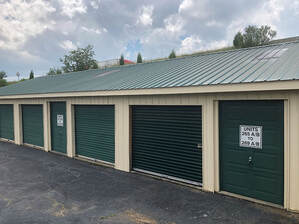 Midland self-storage for easy storage of belongings
Self storage in Midland NC can help keep your belongings organized when home space becomes limited and storage needs change. A few months after moving into a new home, Jordan returned to the storage unit with a simple goal. He needed to find a box containing seasonal decorations, but opening the door revealed a very different situation. Boxes were stacked in uneven rows, furniture blocked several containers, and belongings that once seemed easy to identify were now difficult to locate. Jordan spent nearly an hour moving boxes around before finding the decorations. The experience made one thing clear: storing belongings is only part of the process. Keeping them organized matters just as much. A storage unit can quickly become difficult to manage when items are placed inside without a plan. This can happen during a rushed move, a home renovation, a downsizing project, or a seasonal transition. With a few simple habits, however, self-storage can remain organized and easy to access. Why Storage Units Become Disorganized Storage units often become disorganized because people focus on getting items inside rather than deciding where everything should go. Moving day can be stressful, especially when there are dozens of boxes and large pieces of furniture. It may seem easier to place items wherever there is available space. That approach can create problems later. A box placed in front of another box can make the second box difficult to reach. Heavy items may end up on top of smaller containers, while frequently needed belongings may get buried behind items that are rarely used. Disorganization can also develop gradually. Someone may start with a carefully arranged unit but return several times to add more belongings. Each visit can change the original layout unless there is a clear system for placing new items. Plan Before Moving Items Inside Planning the storage space before moving belongings inside can prevent many organization problems. Start by thinking about what you are storing and how often you expect to access it. This helps determine which belongings should be placed near the front and which can remain farther inside. Measure large furniture before moving it into the unit. Knowing the approximate size of couches, cabinets, tables, and other bulky pieces can help you decide how they should fit together. Leave enough room to move around them rather than filling every available area. It also helps to think vertically. Shelving can provide additional organization for smaller boxes and containers when appropriate. However, stacking should still be done carefully so that items remain stable and accessible. A simple floor plan can make the process easier. You do not need a complicated drawing. A basic layout showing furniture, storage zones, and walking paths can give you a clear plan before the first box enters the unit. Sort Belongings by Category Grouping similar belongings together makes finding items much easier. Instead of placing boxes wherever they fit, create categories based on how you use your belongings. For example, seasonal decorations can occupy one section. Clothing, household items, documents, hobby supplies, and furniture can each have their own areas. If you are storing business supplies, you could create separate sections for equipment, paperwork, supplies, and extra materials. Keep Similar Items Together Keeping related belongings together reduces the time needed to search for something. If all holiday decorations are stored in one area, you know where to start when you need them. You are less likely to open multiple boxes or move furniture unnecessarily. Categories can also make future storage trips easier. When new belongings are added, you already have a logical place for them. This prevents random placement from slowly taking over the unit. Label Boxes Clearly Clear labels are one of the simplest ways to improve storage organization. A label should tell you what is inside the box without requiring you to open it. Avoid vague labels such as "stuff," "miscellaneous," or "old things." Instead, use descriptions such as "Christmas decorations," "winter coats," "kitchen appliances," or "college records." Place labels where they can be seen easily. If boxes are stacked, make sure the labels face outward whenever possible. You can also place a large label on more than one side if the box may be viewed from different directions. Use a Consistent Labeling System Consistency makes your system easier to maintain. You might use category names, room names, or simple numbers. If your number boxes, keep a separate inventory that explains what each number contains. Clear labeling becomes especially valuable when you have many similar containers. Ten plain boxes can look identical from the outside. Ten labeled boxes can tell you exactly where to look. Create Pathways Through the Unit A storage unit should not be packed so tightly that you cannot move through it. Creating pathways gives you access to belongings without requiring you to unload half the unit. Try to leave a clear route from the entrance toward the back. If the unit is large enough, you may also benefit from smaller paths between different storage sections. Pathways also make regular visits less frustrating. You can reach a box, inspect furniture, or retrieve seasonal items without climbing over belongings. A little unused floor space can provide significant practical value. Keep Frequently Accessed Items Easy to Reach Not everything in storage will be used equally. Some belongings may stay inside for years, while others may be needed every few months. Think about your expected access schedule before deciding where items belong. Items you expect to retrieve regularly should generally remain closer to the entrance. Less frequently used belongings can go farther inside. For example, holiday decorations may need to be accessed every year. Winter clothing may be needed during a particular season. Important household supplies may also need occasional retrieval. Keeping these items accessible saves time. It also reduces the chance that you will disturb carefully arranged sections of the unit every time you need something. Use an Inventory to Track Belongings A basic inventory can make self-storage much easier to manage. The inventory does not need to be complicated. A simple list can include a box number, category, and brief description of the contents. You can keep the list on paper, in a spreadsheet, or on your phone. Choose a method that you are likely to update consistently. For example, a record might state that Box 12 contains winter clothing, while Box 13 contains children's books. If you need the books months later, you can check the inventory before visiting the unit. Update the Inventory When Items Move An inventory is only useful when it remains accurate. Update it whenever you add, remove, or relocate belongings. This is particularly important after a major move or cleaning session. A few minutes spent updating your records can save much more time during your next visit. Avoid Unnecessary Stacking Stacking can save floor space, but too much stacking can make a storage unit difficult to use. Tall piles may become unstable, while heavy boxes can make lower containers difficult to reach. Place heavier boxes toward the bottom when stacking is necessary. Keep lighter items above them. Avoid creating piles that are too high to reach safely. You should also think about what is inside each box. A container filled with fragile belongings may not be suitable for heavy items above it. Similarly, boxes you frequently need should not be buried beneath several layers. Use Furniture Carefully Furniture can also become part of the organization system. Tables, cabinets, and shelving may provide useful space for smaller belongings. However, avoid turning furniture into a dumping area where unrelated items accumulate. If a cabinet is being used for storage, give it a specific purpose. For example, one cabinet could hold documents and office supplies, while another could hold household items. Review Your Storage Unit Periodically Organization requires occasional maintenance. Even a well-planned storage unit can become disorganized when belongings are added or removed over time. Set aside time to review the unit periodically. You do not necessarily need to reorganize everything during every visit. Instead, check whether pathways remain clear, labels remain visible, and frequently accessed belongings are still easy to reach. A periodic review is also a good opportunity to identify belongings you no longer need. If certain items have remained untouched for years, you may decide to donate, sell, recycle, or otherwise remove them. Reducing unnecessary belongings can create more usable space. It can also make the remaining items easier to organize. Make Self Storage Easier with a System Self-storage works best when every item has a logical place. A system does not need to be complicated or expensive. It simply needs to be consistent enough that you can find what you need without searching through every box. Start by planning the layout. Sort belongings into categories and label containers clearly. Create pathways, keep frequently used items near the front, and maintain an inventory. These habits can make a major difference over time. Instead of treating the storage unit as a place to put anything that does not fit at home, you can treat it as an organized extension of your available space. For people looking for self-storage in Midland NC, organization can be just as important as choosing the right unit size. A well-organized unit gives you better access to your belongings and makes each visit simpler. How Mr. Storage Can Support an Organized Storage Routine At Mr. Storage, we understand that storing belongings is about more than finding a place to put extra items. We know that people want their belongings to remain accessible when they need them. We provide self-storage options for people in Midland NC who need additional space for household belongings, seasonal items, furniture, and other possessions. Our goal is to make storage a practical part of your routine rather than a source of unnecessary frustration. When you use our storage space, we encourage you to create a layout before moving everything inside. We also recommend labeling boxes, keeping pathways open, and placing frequently needed belongings where you can reach them easily. Our storage solutions can give you the space you need, but your organization system helps you make the most of that space. When both work together, retrieving belongings becomes much simpler. Frequently Asked Questions How should I organize a storage unit? Start by grouping belongings into categories and creating designated areas for each category. Keep frequently accessed items near the entrance and create clear pathways through the unit. Should I label every storage box? Yes. Clear labels make it easier to identify belongings without opening every container. Include specific descriptions rather than vague labels. Is stacking boxes a good way to save space? Stacking can help use vertical space, but unnecessary stacking can make items difficult to access. Keep stacks stable and place heavier boxes underneath lighter ones. How often should I check my storage unit? The right schedule depends on what you store and how often you need access. Periodic visits can help you maintain pathways, update your inventory, and correct small organization problems before they grow. What makes self-storage easier to manage? A consistent system makes self-storage easier to manage. Categories, labels, pathways, an inventory, and smart placement can help you find belongings without unnecessary searching. Keeping a storage unit organized does not require a complicated process. The most important step is creating a plan before belongings start filling the space. With clear categories, useful labels, accessible pathways, and regular reviews, your storage unit can remain practical long after moving day. Reserve Self-storage units in Midland NC Mr. Storage is locally owned and managed with affordable pricing. We have storage facilities in Concord, Salisbury, Harrisburg, Midland, Lexington, and Kannapolis NC. Contact us today to reserve your unit.  Midland storage for organizing belongings
Storage in Midland NC can help homeowners’ clear excess belongings and prepare their property before putting it on the market. A homeowner in Midland NC may start preparing to sell by clearing a few closets. Soon, the project can become much larger than expected. Furniture may need to move, decorations may crowd shelves, and personal belongings may fill rooms that buyers need to see clearly. Preparing a home for sale often requires more than cleaning and making small repairs. The property needs to feel open, organized, and easy for potential buyers to picture as their own. When too many belongings remain throughout the home, creating that feeling can become difficult. Storage can provide a practical way to create more space without forcing homeowners to throw away things they still want. By moving selected belongings away from the property, homeowners can present a cleaner home while keeping those items available for later. Why Decluttering Matters Before Selling a Home Decluttering is one of the most useful steps when preparing a home for the market. Buyers want to understand the size, layout, and potential of each room. Too many belongings can make those features harder to notice. A crowded home can also make routine preparation more difficult. Cleaning takes longer when surfaces are covered with decorations and household items. Repairs, painting, photography, and showings can also become harder when furniture and boxes occupy too much space. Decluttering does not mean getting rid of everything. Many homeowners have belongings they plan to keep after the move. Storage gives them another option by allowing them to remove excess items temporarily. Creating a Better First Impression The first impression can influence how buyers view the rest of the property. A home with clear surfaces and open walkways can appear easier to maintain. Buyers may also find it easier to focus on features such as flooring, windows, cabinets, and room layouts. This does not mean every room needs to look empty. The goal is to create balance between comfort and open space. A few well-placed furnishings can help show how a room works without making it feel crowded. How Excess Belongings Can Make Rooms Feel Crowded Furniture can have a major effect on how large a room appears. Large sofas, extra chairs, bookcases, tables, and cabinets can reduce visible floor space. Even attractive furniture can make a room feel smaller when too many pieces remain inside. Decorations can have a similar effect. Shelves filled with personal collections may distract buyers from the room itself. Wall decorations, framed photographs, and decorative objects can also make spaces feel more personal than neutral. Removing some of these items can help highlight the home's structure. Open floor space gives buyers a clearer view of room dimensions. It can also make professional listing photos look cleaner and more inviting. Choosing What Should Leave the Home Start by looking at each room from a buyer's perspective. Consider whether every piece of furniture serves a useful purpose during the sale. If a room has multiple chairs or tables, keeping only the most useful pieces may create more breathing room. The same approach works with decorations and household items. Seasonal decorations, excess dishes, extra lamps, hobby equipment, and rarely used appliances may not need to stay in the home. Moving these belongings into storage can create space without requiring permanent decisions. Preparing Closets, Garages, and Spare Rooms Closets are important areas to organize before putting a home on the market. Buyers often want to see how much storage space a property offers. Overfilled closets can make even a large closet appear too small. Remove clothing that is out of season and belongings that are rarely used. Shoes, luggage, decorations, and extra household supplies can also be reduced temporarily. Keeping some open space makes it easier for buyers to see the available capacity. Garages deserve the same attention. A garage filled with boxes, old furniture, tools, and seasonal belongings may hide how much usable space it provides. Moving some items out can reveal the garage floor and make the area easier to inspect. Spare rooms can become storage areas when homeowners have lived in a property for many years. Boxes may slowly accumulate in these rooms until their original purpose disappears. Clearing the room can help buyers understand whether it could work as an office, bedroom, playroom, or guest space. Making Storage Areas Look Functional Homeowners should also avoid moving everything into one remaining closet or room. That approach may make other parts of the property look cleaner while creating another overcrowded space. A better approach is to remove genuinely unnecessary items from the home during the selling process. A storage unit can hold belongings that do not need to remain on the property. This can include furniture, decorations, boxes, seasonal items, and other possessions that the homeowner plans to keep. The home can then remain more organized while the sale moves forward. Removing Personal Belongings Without Getting Rid of Them Selling a home often creates an uncomfortable decision about personal belongings. Homeowners may know that certain items should be out of sight, but they may not want to sell, donate, or discard them. Family photographs are one example. Personal collections, keepsakes, inherited furniture, and sentimental decorations can also have significant value to the homeowner. Removing these items from the home does not mean giving them up permanently. Storage provides a temporary place for belongings that still matter. This allows homeowners to create a more neutral presentation while keeping their possessions safe and available. Once the sale is complete, those items can move into the next home. Keeping Important Belongings Organized Organization matters when belongings are moved out of the house. Boxes should be labeled clearly so homeowners know what each container holds. Grouping items by room, category, or future use can make later unpacking much easier. For example, holiday decorations can stay together rather than being mixed with kitchen supplies. Furniture can also be grouped separately from smaller household items. A simple inventory can help homeowners remember what has been stored and where it is located. This approach can prevent unnecessary searching during a busy move. It also makes it easier to retrieve something if it becomes necessary before the home sells. How Storage Can Help During the Selling Process The selling process can take time. Homeowners may need to keep the property ready for showings while waiting for offers, inspections, negotiations, and closing. Having fewer belongings inside can make those stages easier to manage. A home that is easier to clean can be prepared more quickly before a showing. Clear walkways also reduce obstacles when buyers move through the property. With fewer personal belongings visible, the home's features can receive more attention. Storage can also help when the homeowner needs to make repairs or updates. Moving furniture away from walls can provide contractors with more working space. Removing decorations and smaller belongings can protect them while painting or other work takes place. Storing Furniture and Decorations Temporarily Furniture is often one of the largest challenges when preparing a home for sale. A homeowner may have accumulated pieces over many years. Some may fit well in the next home but make the current property feel crowded. Moving selected furniture into storage can help open the floor plan. Extra tables, chairs, cabinets, shelving units, and oversized pieces can be kept off the property until the move is complete. This approach avoids making permanent decisions about furniture that may still be useful. Decorations can be stored in a similar way. Seasonal items can leave the home during the selling period without being discarded. Once the move is complete, homeowners can decide which decorations belong in the new space. Keeping the Selling Process More Organized Selling a home involves many moving parts. Homeowners may be handling paperwork, appointments, repairs, cleaning, moving arrangements, and communication with buyers. Keeping belongings organized can reduce one source of stress. A dedicated storage space can separate items that are staying with the homeowner from items that have already been packed for the move. Clear labels and a simple inventory can make this separation easier. It also prevents boxes from taking over the home before the sale is complete. For homeowners in Midland NC, storage can be especially useful when the timing between selling and moving does not line up perfectly. A closing date may arrive before the next home is ready. Temporary storage can provide flexibility during that transition. How Storage Can Make Moving Into the Next Home Easier The benefits of storage can continue after the property sells. Moving everything directly from one crowded home into another can create immediate disorder. Having some belongings stored separately allows homeowners to control how quickly they bring items into the new property. Furniture can be moved in according to the layout of the new home. Boxes can also be brought over gradually instead of filling every room at once. This can make the unpacking process feel more manageable. Storage also provides time to reconsider what belongs in the new home. A piece of furniture that worked in the old house may not fit the new layout. Keeping it stored temporarily gives homeowners time to make a decision without rushing. Planning What Happens After the Sale Homeowners should have a plan for stored belongings before moving them into storage. Start by deciding which items will go directly into the next home. Next, identify belongings that need to remain stored for a longer period. Some items may be needed soon after the move. Others may be seasonal or used only occasionally. Keeping these categories separate can make future access easier. It can also help to set a review date. After settling into the new home, homeowners may discover that some stored items are no longer necessary. At that point, they can decide whether to keep, donate, sell, or discard them. How We Help With Storage in Midland NC At Mr. Storage, we understand that preparing a home for sale can involve more belongings than expected. Our storage options give homeowners a place to move furniture, decorations, boxes, and other possessions while they prepare their property. We help make it easier to keep the home organized without forcing homeowners to give up belongings they still want. We also know that every move has different timing. Some homeowners need storage for a short period while preparing for closing. Others need more flexibility while transitioning into a new home. Our goal is to give homeowners in Midland NC a practical place for belongings during these changes. By moving selected items out of the house, we can help homeowners create more open rooms and clearer storage areas. We can also help make the transition between homes easier by providing space for belongings that are not ready to move yet. FAQ About Storage Before Selling a Home Should I remove furniture before listing my home? Removing some furniture can help rooms appear larger and easier to navigate. Focus on pieces that make walkways narrow or rooms feel crowded. Keep furniture that helps buyers understand how each space can be used. Can I use storage for sentimental belongings? Yes, storage can hold sentimental belongings that you want to keep but do not want displayed during showings. Photographs, keepsakes, collections, and inherited items can remain available without filling the home. What should I store before selling? Consider storing excess furniture, seasonal decorations, personal collections, extra household supplies, and rarely used belongings. The best items to move are those that take up space without helping present the home. How long should belongings stay in storage? The right length of time depends on your selling and moving timeline. Some homeowners need storage for several weeks, while others may need it for months. Planning the next destination for each item can help control how long it remains stored. Can storage help after my home sells? Yes, storage can help when your closing date and move-in date do not match. It can also give you time to organize belongings before bringing everything into the new home. Making Home Preparation Easier with Storage Preparing a home for sale can become difficult when years of belongings remain in every room. Furniture, decorations, personal items, and household supplies can reduce open space and make preparation take longer. Removing some of these belongings can create a cleaner and more inviting property without requiring homeowners to get rid of things they still value. Storage offers a practical middle ground during this transition. Homeowners can move selected belongings out of the property, keep important possessions organized, and prepare for the next stage of their move. For homeowners in Midland NC, having dedicated storage space can make the selling process easier while providing flexibility for whatever comes after closing. Reserve storage in Midland NC Mr. Storage is locally owned and managed with affordable pricing. We have storage facilities in Concord, Salisbury, Harrisburg, Midland, Lexington, and Kannapolis NC. Contact us today to reserve your unit.  Midland storage facilities reduce clutter at home, creating usable space
Storage facilities in Midland NC help homeowners separate everyday items from rarely used belongings to create more usable space and maintain an organized living environment. Sarah, a Midland NC homeowner, recently finished a whole-house decluttering project that left her feeling accomplished and energized. She sorted through years of accumulated belongings, donated bags of unused items, and reorganized every closet and cabinet. Yet within just a few months, Sarah noticed familiar piles creeping back onto countertops, shelves overflowing again, and that nagging sense of clutter returning. The culprit was not a lack of effort but a storage strategy that kept everything, from daily essentials to rarely used keepsakes, in the same accessible areas. Why Separating Frequently Used Items from Rarely Used Belongings Matters Separating everyday items from things you rarely use is essential for maintaining an organized and functional home. When daily necessities share space with seasonal decorations, archived documents, or hobby equipment you haven't touched in years, it becomes harder to find what you actually need. This mix forces you to dig through clutter, wastes time, and makes it tempting to set things down wherever there's room, which accelerates the return of mess. Keeping frequently accessed items front and center while moving infrequently used belongings elsewhere creates a sustainable organizational system. It reduces visual noise, shortens retrieval times, and helps everyone in the household maintain tidy spaces with less effort. Most importantly, it establishes a clear distinction between what belongs in your active living areas and what can be stored more remotely without impacting daily life. How Clutter Builds When Everything Is Kept in the Same Areas Clutter accumulates quickly when high-use and low-use items occupy the same storage zones. For example, a kitchen cabinet holding both everyday dishes and holiday serving platters becomes overcrowded, making it difficult to grab a simple coffee mug without shifting multiple items. Similarly, a garage shelf packed with tools, sports gear, and last year's Christmas lights creates a bottleneck where accessing one thing disturbs everything else. This overcrowding leads to what organizers call storage fatigue. When spaces are too full, people stop putting things back properly because it feels like too much work. Items end up on tables, counters, or floors, creating new clutter hotspots. Over time, these areas become so congested that even quick tidying sessions feel overwhelming, and the cycle of disorganization continues. Categories of Belongings That May Be Better Stored Elsewhere Not all possessions need to live in your primary living spaces. Identifying which items fall into the rarely used category is the first step toward creating a more functional home. Common examples include seasonal decorations such as holiday ornaments, wreaths, and themed yard signs, along with special occasion serve ware like formal dinner sets, champagne flutes, or party platters. Off-season clothing and sports equipment, including winter coats in summer or skis in warmer months, also belong in this group. Archived paperwork, tax records, or sentimental keepsakes that don't require daily access can be moved elsewhere. Hobby supplies for activities you only pursue occasionally, such as camping gear or crafting materials, and heirloom furniture or decor items rotated into the home only for specific events are additional candidates for remote storage. These items can safely be moved to less accessible areas without disrupting your everyday routine. Seasonal Items and Special Occasion Belongings Seasonal items and special occasion belongings are prime candidates for off-site storage. These possessions serve a purpose but only during specific times of the year or for particular events. Storing them in your home year-round consumes valuable space that could be used for items you interact with daily. For instance, Christmas trees, artificial snowfall decorations, and Halloween inflatables take up significant room yet see use for just a few weeks annually. Similarly, formal dining sets, guest room linens, or graduation party supplies might sit untouched for months. By relocating these items to a dedicated storage space, you free up closets, attics, and basements for more practical uses. How Storage Facilities Can Help Homeowners Create More Usable Space Storage facilities offer a practical solution for homeowners in Midland NC who want to reclaim their living areas without discarding meaningful possessions. These secure, climate-controlled units provide a designated space for items that don't need to be within arm's reach every day. By moving seasonal, special occasion, and archival belongings off-site, you create room for the things you actually use. For homeowners in Midland NC, nearby storage facilities can also simplify home maintenance projects. Whether repainting rooms, replacing flooring, or completing extensive renovations, having temporary storage keeps valuable belongings safe while allowing projects to proceed efficiently. This flexibility makes storage units an essential tool for both long-term organization and short-term practicality. Organizing Stored Belongings for Convenient Access Once you've decided to use a storage facility, organizing your unit properly ensures you can retrieve items easily when needed. Start by grouping similar items together, such as all holiday decorations in one section and off-season sports gear in another. Use clear, labeled bins so you can see contents at a glance without opening every container. Place items you'll need most frequently, like seasonal clothing or quarterly tax documents, near the front of your unit. Reserve the back and higher shelves for truly archival items like old photo albums or memorabilia. Maintain an inventory list, either digital or printed, that notes which bin contains what. This simple step saves time and prevents the frustration of searching through multiple boxes. How to Develop a Practical Household Storage System Creating a lasting household storage system requires intentionality and consistency. Begin by assessing each room and identifying which items are used daily, weekly, monthly, or less often. Assign storage locations based on this frequency, keeping everyday items within easy reach and moving rarer items to less accessible spots or off-site storage. Next, establish zones for different activities. For example, create a gift-wrapping station with ribbons, paper, and tags all in one place. Designate a tool area in the garage with categorized bins for hardware, power tools, and garden equipment. Use vertical space with shelving units, and label everything clearly so all household members know where things belong. Finally, build maintenance habits into your routine. Schedule a quick 10-minute nightly reset to return items to their designated spots. Conduct a monthly review of one area to declutter anything that has crept back in. With these systems in place, your home stays organized longer, and the post-cleanout satisfaction lasts well beyond the initial project. Choosing Storage Facilities That Fit Your Needs Selecting the right storage facility involves considering location, security, climate control, and unit size. For residents of Midland NC, proximity matters, especially if you plan to access your unit regularly for seasonal rotations or project materials. Look for facilities with good lighting, surveillance cameras, and secure access codes to protect your belongings. Climate-controlled units are essential for items sensitive to temperature and humidity, such as wooden furniture, electronics, documents, or fabric-based decorations. Determine the size you need by creating an inventory of what you plan to store and estimating how much space it will occupy. Many facilities offer a range of unit sizes, from small lockers for boxes to larger spaces for furniture and appliances. FAQ Section
At Mr. Storage, we understand that every homeowner's needs are unique, which is why we offer a variety of unit sizes and features to match your specific requirements. Our facilities in Midland NC are designed with security and convenience in mind, giving you peace of mind while keeping your belongings safe and accessible. We pride ourselves on providing flexible leasing options and helpful staff who can guide you in choosing the right unit for your situation. When you choose us, you're not just renting space, you're gaining a partner in your organization journey. Our team is here to answer questions, offer packing tips, and ensure your experience is seamless from start to finish. Whether you need temporary storage during a renovation or a long-term solution for seasonal items, our goal is to help you create a more functional and clutter-free home. Reserve Storage facilities in Midland NC Mr. Storage is locally owned and managed with affordable pricing. We have storage facilities in Concord, Salisbury, Harrisburg, Midland, Lexington, and Kannapolis NC. Contact us today to reserve your unit.  Midland Storage Facilities Keep Homes Organized
Storage facilities in Midland NC provide homeowners with a practical way to store occasionally used belongings while keeping everyday living spaces organized and clutter-free. A homeowner had just finished a weekend dedicated to organizing every room in the house. Closets were neatly arranged, the garage finally had space for the car, and every shelf looked tidy. For a while, everything stayed in order. However, as the months passed, holiday decorations came back inside, sports gear piled up after each season, and hobby supplies slowly found their way into spare rooms. Before long, the clutter had quietly returned, making the home feel crowded again despite the earlier effort. This situation is familiar for many homeowners. The problem is not always owning too much. Often, it comes from keeping items that are only needed a few times each year within everyday living spaces. Using storage facilities in Midland NC provides a practical way to keep these belongings safe while maintaining an organized and comfortable home throughout the year. Why Occasionally Used Belongings Consume Valuable Space Many household items are useful without being part of daily life. Unfortunately, they often occupy some of the most valuable storage areas inside a home. Closets, garages, spare bedrooms, and attics gradually become filled with belongings that remain untouched for months. When these spaces become crowded, finding everyday necessities becomes more difficult. Homeowners may waste time moving boxes, searching through stacked containers, or reorganizing shelves repeatedly. Even homes with generous storage eventually feel cramped when infrequently used items continue to accumulate. Choosing storage facilities in Midland NC helps separate everyday belongings from seasonal possessions. Instead of allowing rarely used items to consume valuable living space, homeowners can keep their homes functional without giving up possessions they still enjoy. Seasonal Decorations, Sports Equipment, and Hobby Items Holiday Decorations Holiday decorations often require large storage containers. Artificial trees, outdoor lights, wreaths, ornaments, and decorative displays remain packed away for most of the year. Although they are only used for a few weeks, they frequently occupy entire sections of garages or closets. Moving these decorations into storage facilities creates additional room for tools, household supplies, and everyday storage needs while keeping seasonal collections protected until they are needed again. Sports Equipment Families involved in multiple sports quickly discover how much equipment accumulates over time. Baseball bats, football pads, camping gear, fishing equipment, bicycles, kayaks, and skiing equipment each require significant storage space. Many of these items rotate with the seasons. Instead of stacking everything together throughout the year, storing off-season equipment keeps garages cleaner and reduces the chance of accidental damage. Hobby Collections Hobbies are rewarding, but they often require supplies that occupy more space than expected. Woodworking tools, sewing machines, photography equipment, model-building supplies, musical instruments, crafting materials, and gardening equipment all deserve proper storage. Rather than squeezing these belongings into crowded rooms, homeowners can use storage facilities in Midland NC to keep hobby items organized while preserving space for daily activities. How Storage Facilities Help Keep Homes Organized Maintaining an organized home requires more than simply cleaning. It involves making thoughtful decisions about where belongings should be stored throughout the year. One of the greatest advantages of storage facilities is the ability to reduce unnecessary clutter inside the home. Instead of filling every closet or cabinet, homeowners can relocate infrequently used possessions without permanently giving them away. This creates a cleaner appearance while making household routines more efficient. Finding everyday items becomes easier because shelves, closets, and storage cabinets contain only what is regularly used. An organized home also simplifies cleaning. Fewer objects sitting on floors or crowded into corners means dusting, vacuuming, and general maintenance become less time-consuming. Deciding What Should Stay at Home and What Should Be Stored Not every belonging belongs inside a storage unit. A balanced approach helps homeowners maximize both convenience and organization. Items used every week should remain easily accessible inside the home. Kitchen appliances, frequently worn clothing, household tools, cleaning supplies, and children's everyday toys should stay nearby because they support daily routines. On the other hand, belongings used only occasionally are excellent candidates for storage facilities. Examples include: Seasonal Clothing Heavy winter coats, snow boots, and bulky blankets often occupy closets during warmer months. Rotating seasonal clothing into storage frees up wardrobe space throughout the year. Extra Furniture Many families keep additional tables and chairs for holidays or family gatherings. While useful, these pieces often remain unused for most of the year and consume garage or basement space. Keepsakes Sentimental items deserve careful storage but rarely require immediate access. Family photo albums, childhood memorabilia, inherited furniture, and special collections can remain secure while freeing valuable living space. Creating simple categories such as daily use, monthly use, seasonal use, and long-term storage helps homeowners decide what belongs where. Organizing Stored Belongings for Easy Retrieval A storage unit becomes far more useful when everything inside is easy to locate. Simply placing random boxes into a unit often creates future frustration. Using sturdy containers with clear labels makes retrieval much easier. Labels should identify both the contents and the season or purpose of each box. Grouping similar items together also improves efficiency. Holiday decorations can remain in one section while sports equipment occupies another. Hobby supplies, seasonal clothing, and keepsakes should each have designated areas. Leaving small walking paths inside the unit provides convenient access without requiring homeowners to unload everything whenever one item is needed. Creating a simple inventory on paper or using a digital note helps track stored belongings. This saves time months later when searching for specific decorations, equipment, or seasonal items. Benefits of Nearby Storage Facilities Location matters when selecting a storage solution. Having storage facilities close to Midland NC makes it much easier to retrieve belongings whenever they are needed. Convenient access encourages homeowners to rotate seasonal items more regularly. Instead of delaying organization because of long travel distances, nearby storage makes changing decorations, clothing, or equipment much simpler. A nearby location also supports unexpected needs. Whether preparing for guests, planning a camping trip, or decorating for a holiday, stored belongings remain within easy reach. This convenience allows homeowners to maintain organized living spaces throughout the year without sacrificing accessibility. Long-Term Organization Strategies Good organization is not achieved through a single cleaning weekend. It requires ongoing habits that prevent clutter from slowly returning. Scheduling seasonal organization sessions helps homeowners review stored belongings every few months. During these reviews, unnecessary items can be donated, recycled, or discarded instead of remaining in storage indefinitely. Another helpful strategy is adopting a habit of evaluating new purchases before bringing them home. If a new hobby, decoration, or piece of equipment enters the house, homeowners should immediately determine where it will be stored when not in use. Families also benefit from reviewing storage needs annually. Children outgrow sports equipment, holiday decorations change, and hobbies evolve over time. Regular reviews prevent unnecessary accumulation while keeping storage efficient. Most importantly, homeowners should avoid treating storage as permanent overflow space. Instead, it should function as an organized extension of the home where valuable belongings remain protected until needed. Why We Help Homeowners Stay Organized At Mr. Storage, we understand that keeping a home organized is an ongoing process rather than a one-time project. That is why we provide storage facilities that give homeowners in Midland NC additional space without sacrificing convenience. We know every household has seasonal decorations, recreational equipment, family keepsakes, and hobby supplies that deserve a safe place. Our goal is to help you enjoy a less cluttered home while keeping those important belongings easily accessible whenever you need them. When you choose us, you gain more than extra space. We help support long-term organization by giving you a practical place for the belongings that do not need to stay inside your home every day. FAQ What items are best suited for storage facilities? Seasonal decorations, sports equipment, hobby supplies, extra furniture, keepsakes, seasonal clothing, and household items that are not used regularly are all excellent choices for storage. How often should I visit my storage unit? The frequency depends on your needs. Many homeowners visit their unit at the start of each season or whenever they need holiday decorations, recreational equipment, or stored furniture. How can I keep my storage unit organized? Use labeled containers, group similar items together, leave walkways for access, and maintain a simple inventory so everything is easy to find. Why choose nearby storage facilities in Midland NC? Nearby storage facilities make it convenient to retrieve or rotate seasonal belongings whenever needed, helping homeowners maintain an organized home all year long. A clutter-free home is easier to maintain when everyday living spaces are reserved for the items used most often. Seasonal decorations, sports equipment, hobby supplies, and keepsakes all have value, but they should not overwhelm closets, garages, or spare rooms. Using storage facilities in Midland NC allows homeowners to reclaim valuable living space while keeping important belongings organized and protected. With thoughtful planning, proper organization, and a nearby storage solution, maintaining an orderly home becomes much more manageable throughout every season. Rent Storage facilities in Midland NC Mr. Storage is locally owned and managed with affordable pricing. We have storage facilities in Concord, Salisbury, Harrisburg, Midland, Lexington, and Kannapolis NC. Contact us today to reserve your unit.  Midland storage units for home transitions
Storage units help homeowners in Midland NC stay organized during moving, renovating, downsizing, and other major life transitions. A homeowner finally finished a weekend-long cleanout after months of sorting closets, clearing the garage, and organizing every room. The house felt more open, daily routines became easier, and everything finally had its place. However, as the months passed, seasonal decorations, hobby equipment, family keepsakes, and new purchases slowly found their way back into the home. Before long, the clutter had returned, making it difficult to enjoy all the hard work that had gone into creating a tidy living space. This is a common experience for many homeowners. Life rarely stays the same for long, and changing circumstances often create the need for extra room. That is why many people choose storage units to keep their belongings secure while maintaining an organized home. Whether someone is preparing for a move, remodeling a house, or adjusting to a new stage of life, having access to storage units in Midland NC can make every transition much smoother. Why Home Transitions Often Create Storage Challenges Major life events usually involve more than simply changing locations. They often require people to sort through years of accumulated belongings while making important decisions about what to keep, donate, sell, or store. This process takes time, and rushing these decisions can lead to unnecessary stress. Many homeowners discover they simply do not have enough space to manage everything during these periods. Instead of overcrowding living areas, garages, or spare bedrooms, storage units provide additional room that allows people to transition at a comfortable pace. Having a separate place for belongings reduces pressure and makes it easier to stay focused on the larger project. Common Life Changes That Create Storage Needs Life constantly changes, and each stage often comes with new storage requirements. Some situations happen unexpectedly, while others are carefully planned over several months. Regardless of the reason, having flexible storage options makes adapting much easier. Moving to a New Home Moving is one of the biggest reasons people rent storage units. Closing dates may not always align perfectly, creating temporary gaps between leaving one home and moving into another. Instead of filling relatives' homes or dealing with crowded moving trucks, stored belongings remain safe until everything is ready. Families moving to or from Midland NC often appreciate the flexibility that storage provides. Rather than unpacking everything immediately, they can move essential items first and retrieve the rest gradually as they settle into their new home. Downsizing After Lifestyle Changes Downsizing does not necessarily mean getting rid of cherished possessions forever. Many people move into smaller homes after retirement, after children move out, or simply because they want less maintenance. Even though the new home may have less space, many belongings still hold sentimental or practical value. Storage units offer an excellent solution for keeping these possessions without overcrowding the new living space. Family heirlooms, seasonal decorations, collectibles, and furniture can remain protected until future needs change. Home Renovation Projects Renovation projects often require entire rooms to be emptied before work begins. Furniture, electronics, rugs, artwork, and decorative pieces need protection from dust, paint, moisture, and accidental damage. Using storage units during renovations creates more working space for contractors while keeping valuable belongings clean and secure. Homeowners also enjoy greater peace of mind knowing their possessions are safely stored away from construction activity. How Storage Units Simplify Major Transitions Every major life change comes with countless decisions. Adding overcrowded rooms to the equation only increases stress. One of the greatest advantages of storage units is their ability to simplify complicated situations. Instead of constantly moving boxes from one room to another, homeowners can create clear working areas inside the home. This makes cleaning, packing, remodeling, and organizing significantly easier. Reduced clutter also helps people think more clearly and maintain better productivity throughout the transition. Having additional storage space also prevents rushed decisions. People have time to carefully sort through belongings without feeling pressured to throw away items they may later regret losing. Keeping Important Belongings Safe Many stored belongings carry significant financial or sentimental value. Family photographs, inherited furniture, collectibles, business records, holiday decorations, and specialty equipment deserve proper protection. Well-maintained storage units provide a secure environment that helps keep these items organized and protected while they are not being used. Proper packing techniques further reduce the risk of damage during storage. Clearly labeled boxes, protective covers, sturdy containers, and careful stacking make retrieving belongings much easier later. Choosing storage also reduces the chance of accidental damage that often occurs when homes become overcrowded during busy transitions. Temporary Versus Long-Term Storage Not every storage need lasts the same amount of time. Understanding the difference between temporary and long-term storage helps homeowners choose the best solution for their situation. Temporary Storage Temporary storage works well for short-term projects. Moving between homes, completing renovations, hosting family members, or staging a property for sale are common examples. In these situations, belongings usually remain stored for several weeks or months before returning home. Temporary storage provides flexibility without requiring permanent decisions about valuable possessions. Long-Term Storage Long-term storage is ideal when homeowners expect belongings to remain stored for extended periods. This may include inherited furniture, seasonal recreational equipment, archived business documents, or family keepsakes that are not currently needed. Long-term use of storage units allows homeowners to preserve important belongings without sacrificing valuable living space inside the home. Staying Organized During Major Changes Organization becomes much easier when there is enough room to work. Instead of stacking boxes throughout the house, homeowners can separate items into logical categories before placing them into storage. Creating an inventory helps prevent confusion later. Labeling boxes by room or category makes unpacking faster and reduces unnecessary searching. Frequently needed items should remain easily accessible, while seasonal belongings can be stored farther inside the unit. Maintaining organization throughout a transition saves time, reduces frustration, and makes returning to normal life much easier once the project is complete. Choosing the Right Storage Units Not every storage situation requires the same amount of space. Selecting appropriately sized storage units helps maximize efficiency while avoiding unnecessary costs. Before choosing a unit, homeowners should estimate the amount of furniture, boxes, appliances, and equipment they expect to store. Planning ahead prevents overcrowding while leaving enough room for safe access to stored belongings. Location also matters. Choosing storage units in Midland NC allows homeowners to conveniently retrieve items whenever they need them during the transition. Easy access can significantly reduce stress during busy moving schedules or renovation projects. Why Local Storage Makes Everyday Life Easier Having nearby storage offers advantages that extend beyond major life events. Seasonal items, sports equipment, business inventory, and hobby supplies often occupy valuable space inside the home year-round. By using local storage units, homeowners can maintain cleaner garages, more functional closets, and less crowded living spaces. This creates a more enjoyable home environment while ensuring belongings remain available whenever needed. As life continues to change, having reliable storage nearby makes adapting to new situations much less overwhelming. How We Help Homeowners in Midland NC When homeowners face major life transitions, having dependable storage can make the entire process less stressful. We understand that every move, renovation, or downsizing project is different, which is why we focus on providing flexible storage solutions that fit changing needs. At Mr. Storage, we work with families throughout Midland NC who need secure, convenient storage units for both temporary and long-term situations. Our goal is to help people protect their belongings while making home transitions as organized and manageable as possible. Whether someone is preparing for a move, remodeling a home, or simply creating more space, we believe the right storage solution can make every stage of the journey easier. Our team is committed to helping customers find storage that matches both their belongings and their timeline. FAQ When should I consider renting storage units? You should consider renting storage units whenever your home becomes overcrowded during a move, renovation, downsizing project, or other major life transition. Extra storage creates more space and helps keep belongings organized. How long can I keep items in storage? Many homeowners use storage for only a few weeks, while others keep belongings stored for several months or even years. The right timeframe depends entirely on your individual needs. What items are commonly stored during home transitions? Furniture, appliances, seasonal decorations, clothing, family keepsakes, business supplies, sporting equipment, and packed household goods are among the most commonly stored belongings. How do I stay organized while using storage units? Label every box clearly, create a written inventory, group similar items together, and leave pathways for easy access. Good organization makes packing and unpacking much simpler. Why choose storage units in Midland NC? Choosing storage units in Midland NC allows you to access your belongings conveniently while staying close to home. This makes moving, renovating, and other major life changes far easier to manage. Reserve storage units in Midland NC Mr. Storage is locally owned and managed with affordable pricing. We have storage facilities in Concord, Salisbury, Harrisburg, Midland, Lexington, and Kannapolis NC. Contact us today to reserve your unit.  Midland storage units help with home organization
Storage units in Midland NC can help homeowners maintain an organized home when belongings need a dependable place to stay for the long term. After months of planning, sorting, and hard work, a major home cleanout can feel like a fresh start. Imagine a homeowner in Midland NC who finally finishes organizing the garage, clearing out spare bedrooms, and donating or discarding years of accumulated belongings. For a while, every room stays neat and manageable. Then, gradually, seasonal decorations come back from the attic, furniture from a renovation has nowhere to go, and boxes begin collecting in corners again. Within a few months, the clutter that seemed permanently solved starts returning. This situation is more common than many homeowners realize. Organization projects often solve an immediate problem, but they do not always eliminate the ongoing need for extra space. Life continues to change, and belongings may need to be stored for months or even years. That is why choosing the right storage facility matters. A convenient short-term solution may not provide the security, accessibility, cleanliness, or flexibility needed for long-term storage. For homeowners and businesses in Midland NC, selecting dependable storage units can make it easier to manage belongings without allowing them to become an ongoing source of clutter. A good long-term storage facility should protect items, make them reasonably easy to access, and provide an environment that supports organized storage over time. Why Some Storage Needs Last Longer Than Expected Many people initially assume they will only need storage for a few weeks or months. However, circumstances often change. A home renovation may take longer than planned, a move may be delayed, or a family may need time to decide what to do with inherited furniture and personal belongings. In other situations, storage becomes part of a long-term lifestyle rather than a temporary solution. Life Changes Can Extend Storage Timelines Moving is one of the most common reasons people underestimate how long they will need storage. A buyer may be waiting for a home to close, a seller may need to stage a property, or a family may be transitioning between homes. Even after a move is complete, there may not be enough room for every item immediately. Families can also experience changes that create lasting storage needs. College students may need space for belongings between leases. Military families may store household items during relocations. Businesses may retain documents, equipment, inventory, or furniture that is not needed every day but still has long-term value. Seasonal and Occasional Items Add Up Holiday decorations, outdoor furniture, sports equipment, camping supplies, and other seasonal items can consume valuable space inside a home. These belongings may only be used for a few weeks or months each year, yet they remain necessary. Keeping them in storage can help homeowners maintain a more functional living environment throughout the year. The key is recognizing that long-term storage is not necessarily a sign of poor organization. In many cases, it is a practical way to manage belongings that are important but not needed on a daily basis. Features That Matter for Long-Term Storage When choosing storage units for an extended period, the features that seem minor during a short rental can become much more important. A facility should offer a combination of protection, convenience, and flexibility. The Right Unit Size Choosing an appropriately sized unit is essential. A unit that is too small can force belongings into crowded stacks, making it difficult to retrieve anything without moving several boxes. A unit that is too large may result in unnecessary monthly costs and wasted space. Before selecting a unit, create a basic inventory of what you plan to store. Consider the size of furniture, the number of boxes, and whether you may add items later. Leaving a small amount of room for movement can make a significant difference when belongings remain stored for a long time. Flexible Rental Options Long-term storage needs can change. A facility should make it reasonably simple to adjust your storage arrangement if your circumstances change. You may eventually need a larger unit, a smaller unit, or a different access arrangement. Flexible options are especially useful for homeowners who are uncertain about their exact timeline. Instead of choosing a facility based only on the lowest initial price, consider whether it can continue to meet your needs as your situation evolves. Convenient Access Accessibility matters even when you do not expect to visit frequently. Over several months or years, there will likely be occasions when you need a specific item. A facility with convenient access can save time and reduce frustration. Think about how often you may need to visit, what days and times are most convenient, and whether the facility's layout makes it easy to reach your unit. Accessibility should fit your actual routine rather than simply looking good on paper. Security and Accessibility Considerations Security is one of the most important factors when belongings remain stored for an extended period. While no storage facility can eliminate every possible risk, strong security practices can provide greater peace of mind. Look for Practical Security Measures When evaluating storage units, consider features such as controlled access, secure gates, lighting, surveillance systems, and well-maintained property boundaries. These measures can help discourage unauthorized access and make the facility more secure. It is also important to understand how access works. Ask whether tenants use individual access codes, how entry is monitored, and whether there are policies designed to protect customers and their belongings. A secure environment should be supported by clear procedures rather than relying on a single security feature. Balance Security with Convenience A facility can be secure and still be difficult to use. If access procedures are overly complicated or operating hours do not fit your schedule, you may avoid retrieving items when you need them. The best long-term storage solution balances protection with reasonable convenience. For residents of Midland NC, this can be particularly valuable when storage is used as an extension of the home, a business workspace, or a solution for seasonal belongings. Cleanliness and Maintenance Matter Over Time A storage facility may look acceptable during a brief visit, but long-term storage requires consistent maintenance. Dust, moisture, pests, and neglected common areas can create problems for belongings that remain in place for months or years. Evaluate the Condition of the Property Pay attention to the condition of hallways, doors, lighting, driveways, and surrounding areas. A clean, well-maintained facility can indicate that management takes the property and customer belongings seriously. You should also consider how your own packing choices affect long-term protection. Use sturdy boxes, avoid overloading containers, and keep belongings elevated when appropriate. Furniture may benefit from breathable protective coverings, while fragile items should be packed with suitable cushioning. Maintenance Supports Long-Term Confidence Regular maintenance is important because storage needs do not end when the rental agreement begins. A facility should continue to be cared for throughout your rental period. Clean surroundings, functional access points, and prompt attention to maintenance issues all contribute to a better long-term experience. Choosing the Right Storage Units for Your Belongings Different belongings require different storage approaches. Before choosing storage units, think about what you are storing and how often you may need to access it. Furniture may require a unit with enough space to avoid excessive crowding. Documents and smaller household goods may be easier to manage in a compact unit with organized shelving. Business inventory may require frequent access, while heirlooms may remain untouched for long periods. Match the Unit to Your Storage Goals Consider whether your priority is maximum capacity, frequent access, seasonal organization, or long-term preservation. A person storing holiday decorations may have different needs from a homeowner storing furniture during a renovation. It is also helpful to think beyond the present moment. If you expect to add belongings over time, selecting a unit with some extra capacity may prevent another move later. On the other hand, if your storage needs are unlikely to grow, a more compact unit may be more economical. How Organization Helps When Items Remain Stored Good organization becomes increasingly valuable as storage time increases. A unit that is easy to navigate at the beginning can become difficult to manage after additional boxes and belongings are added. Create a simple inventory and label boxes clearly. Place frequently needed items near the front and less frequently accessed belongings toward the back. Leave a practical walkway when possible, and avoid creating unstable stacks that make retrieval difficult. Use a Consistent System A basic system can save significant time. Numbering boxes, grouping belongings by category, and keeping a written or digital inventory can help you locate items without opening multiple containers. For example, seasonal decorations can be grouped together, while documents, furniture, and household items can each have designated areas. This approach helps transform a storage unit from a collection of boxes into an organized extension of your available space. Questions to Ask Before Choosing a Long-Term Storage Solution Before renting storage units, ask questions that address both your current needs and your likely future needs.
Taking time to ask these questions can help prevent problems later. The cheapest option is not always the best value if it creates inconvenience, poor accessibility, or concerns about the condition of your belongings. Why Midland NC Residents Should Consider the Long Term Storage needs in Midland NC can arise from many different situations, including moving, remodeling, downsizing, business changes, family transitions, and seasonal organization. Because these circumstances can last longer than expected, it makes sense to choose a storage facility based on more than the first month of rental. A long-term solution should be dependable and practical. It should provide an environment where belongings can remain organized and protected while still allowing you to access them when necessary. Planning for the possibility of extended storage can also make it easier to choose the right unit size and develop an organization system from the beginning. For residents looking for a dependable option, Mr. Storage is designed to help make storing belongings more convenient. We understand that customers may need storage units for different reasons and for different lengths of time. Our goal is to provide a practical storage experience for people in Midland NC who want additional space without giving up organization and accessibility. Whether you are completing a major home cleanout, preparing for a move, storing seasonal belongings, or managing items that do not currently fit in your home or business, we can help you think through your storage needs. Our facility is intended to support both short-term and longer-term storage arrangements, giving us the flexibility to serve changing needs. FAQ About Long-Term Storage How long can I keep belongings in a storage unit? The length of time depends on your rental arrangement and your needs. Many customers use storage units for several months, while others maintain storage for years. The right choice depends on how long you expect to need additional space and how well the facility fits your long-term requirements. What is the best way to organize a long-term storage unit? Label boxes clearly, group similar belongings together, create a simple inventory, and leave space to move through the unit when possible. Items you may need more often should be placed where they are easier to reach. Should I choose a larger storage unit for long-term use? Not necessarily. The best unit is one that fits your belongings without excessive crowding while avoiding unnecessary unused space. A small amount of extra room can be useful if you expect to add items later. What makes a storage facility a good long-term choice? A good long-term storage facility combines suitable unit sizes, convenient access, strong security practices, cleanliness, regular maintenance, and flexibility. Choosing a facility with these qualities can make storing belongings for an extended period simpler and more manageable. Long-term storage works best when it is treated as part of an overall organization plan. By choosing the right storage units, protecting belongings properly, maintaining a clear inventory, and selecting a dependable facility in Midland NC, homeowners and businesses can keep valuable space available without losing control of the items they need to store. Reserve storage units in Midland NC Mr. Storage is locally owned and managed with affordable pricing. We have storage facilities in Concord, Salisbury, Harrisburg, Midland, Lexington, and Kannapolis NC. Contact us today to reserve your unit. |
AuthorThe top self-storage unit location that’s most convenient to you. Archives
October 2026
Categories
All
|
 RSS Feed
